EduCare Project
The EduCare Project is an innovative, unique, pragmatic and efficient new approach to support the helpless, hopeless and the most vulnerable.
Our Signature Project: EduCare Family
EduCare stands for Education, Healthcare, Food, Clothing, Hygiene, Counseling, and Assistance & Protection whenever needed. It is a holistic approach designed to address the root causes of poverty, vulnerability, and exploitation.
Poverty in Nepal: The Reality
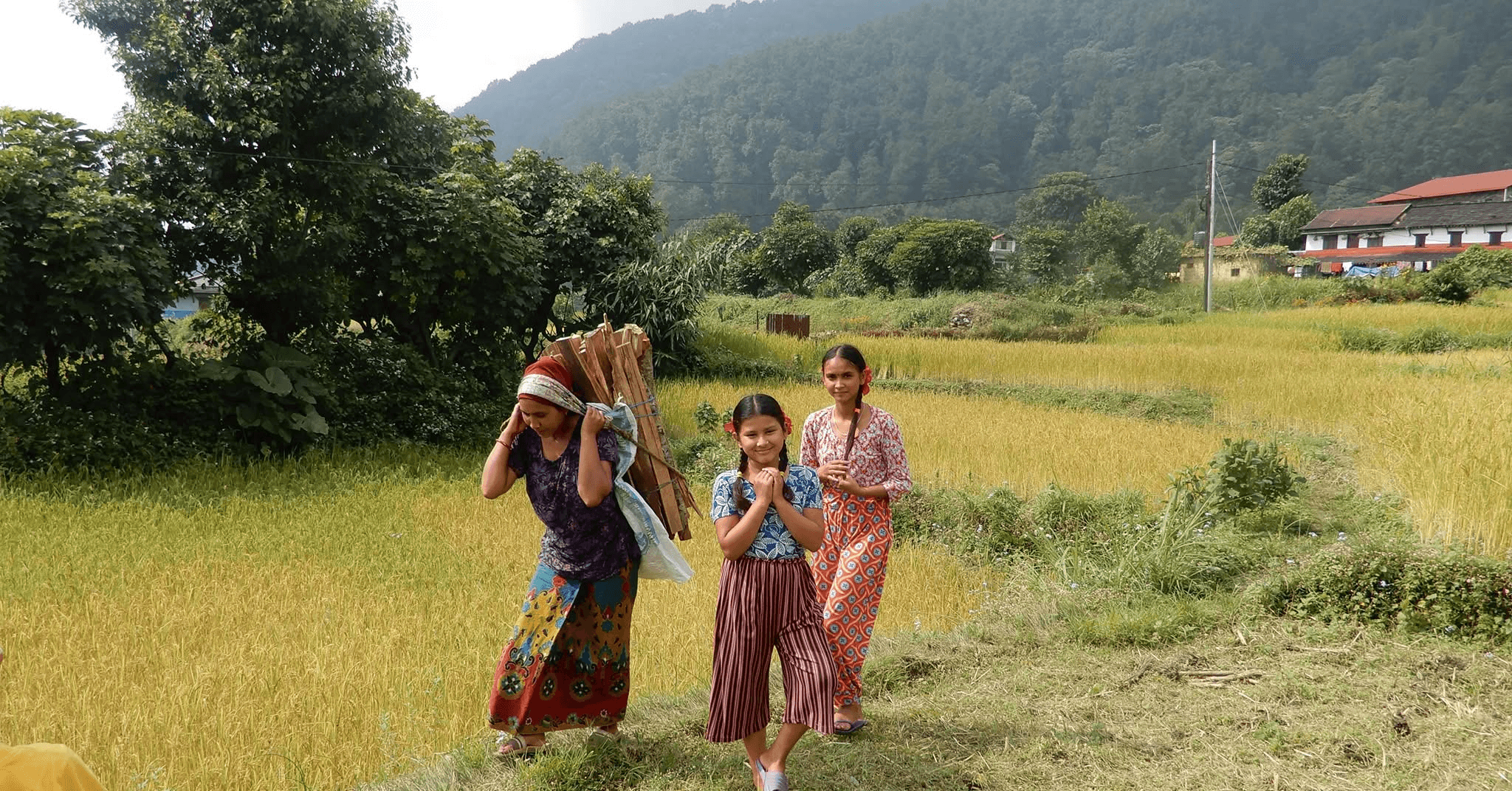
Nepal remains largely rural, with nearly 75% of the population (around 20 million people) living in villages. Many of these communities face severe poverty and lack access to basic services such as healthcare, education, and safe drinking water.
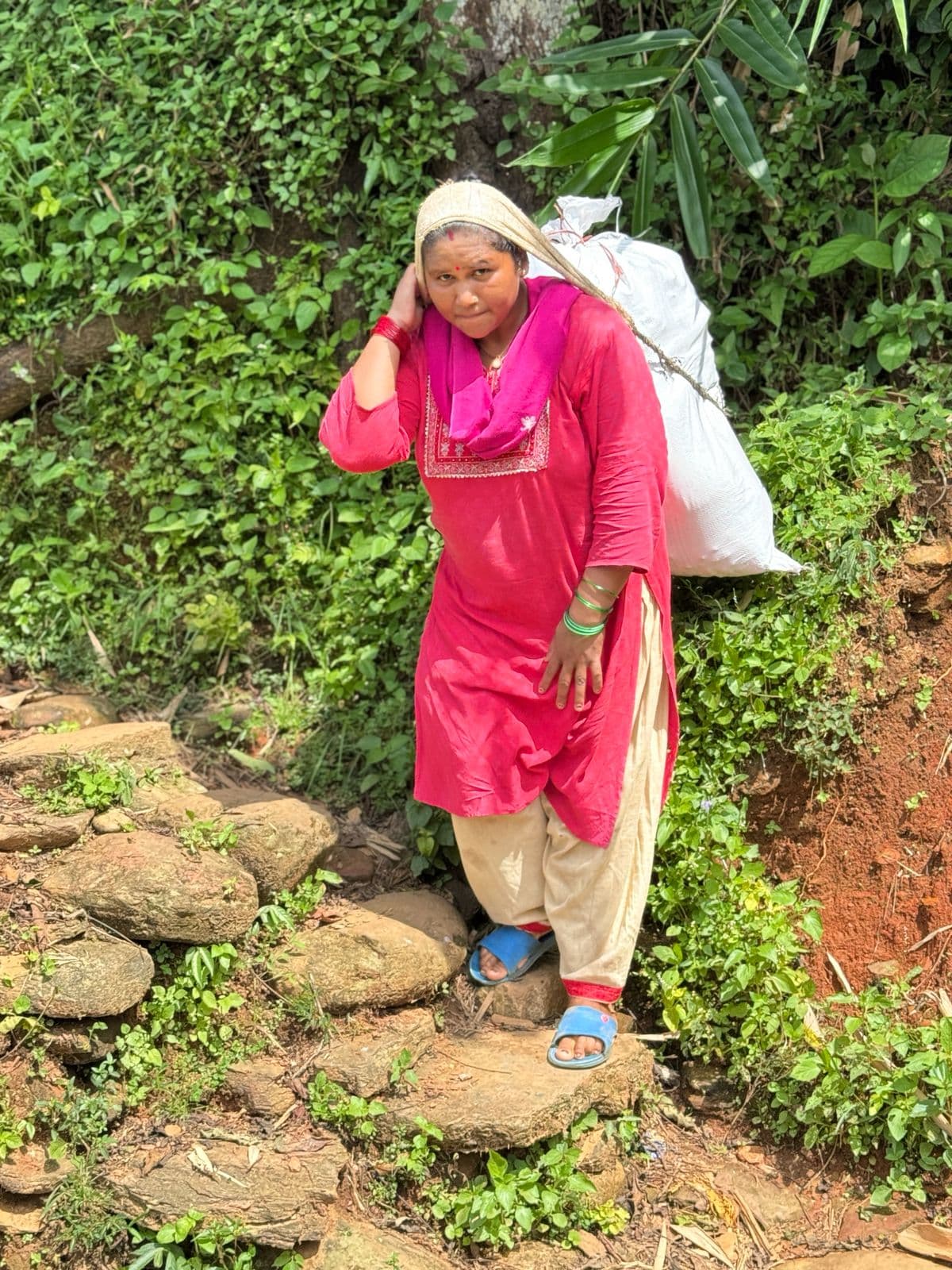
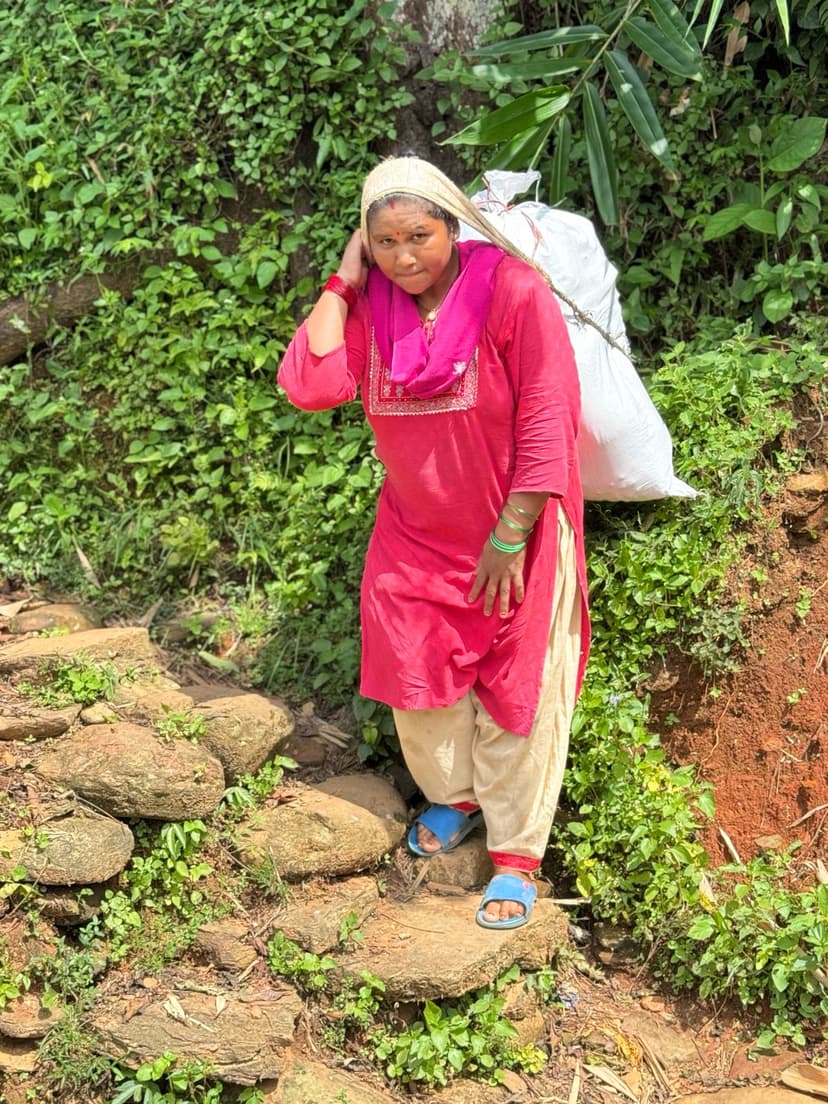
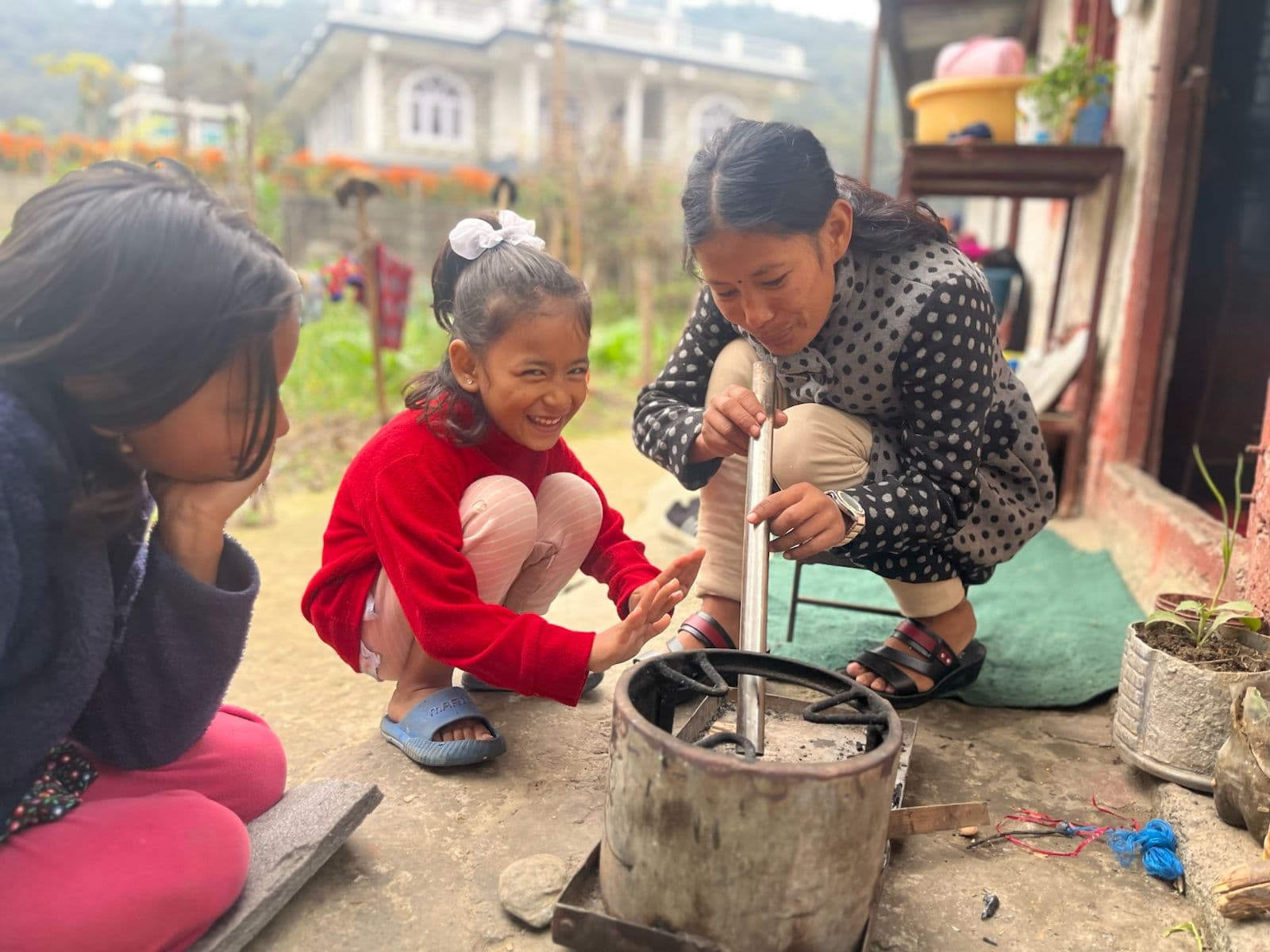
In remote areas, villages are often accessible only by foot. Children who attend school may have to walk for hours each day, sometimes barefoot, just to receive an education.
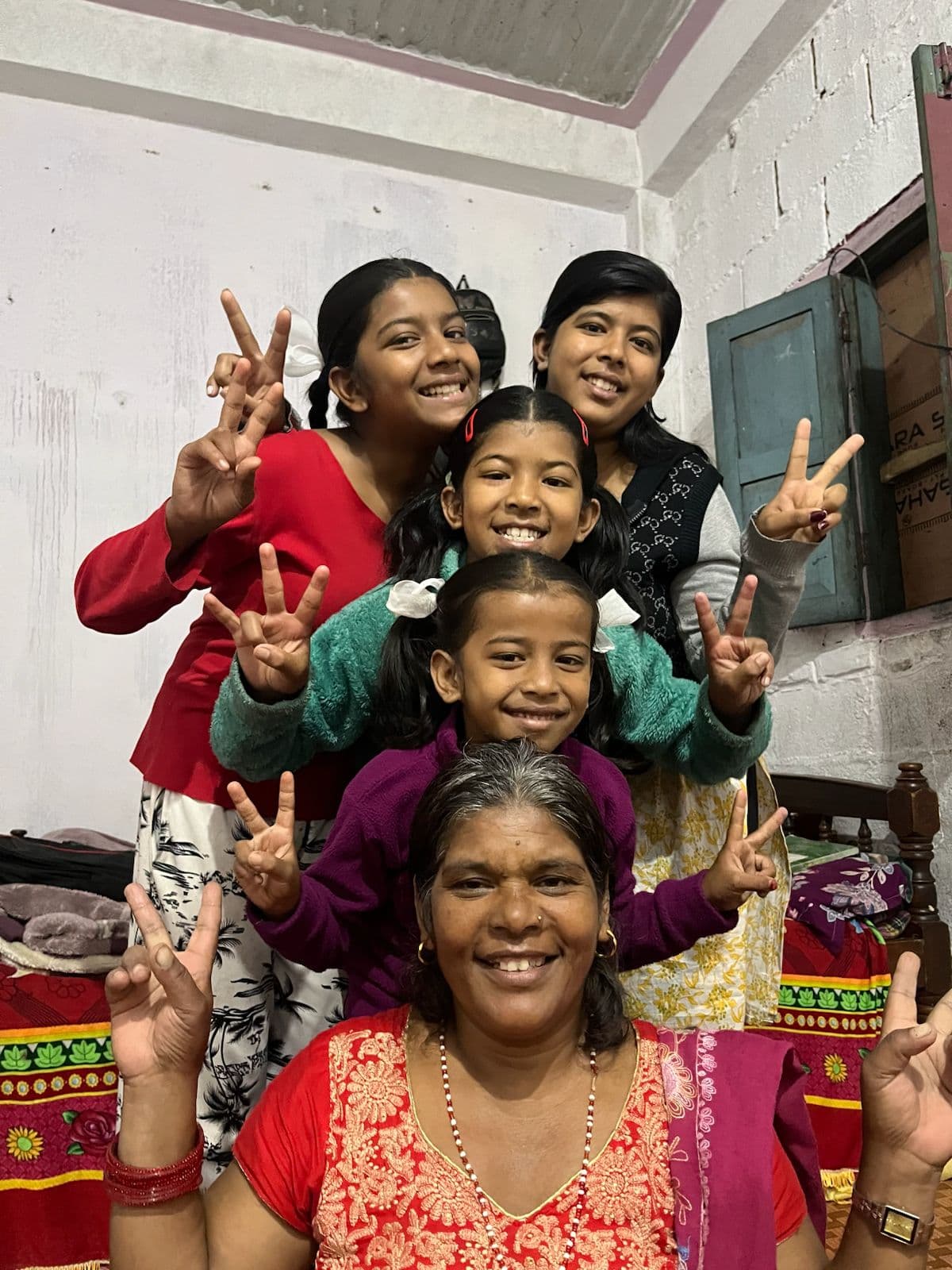
For the families we support: destitute single mothers, widows and grandmothers with dependent daughters, even the most basic needs are often unmet. It is in these vulnerable environments that traffickers and exploitative networks operate most actively.
Following the devastating 2015 Nepal Earthquake and COVID-19 Pandemic, the number of girls and young women at risk of trafficking increased significantly, further highlighting the urgency of targeted intervention.
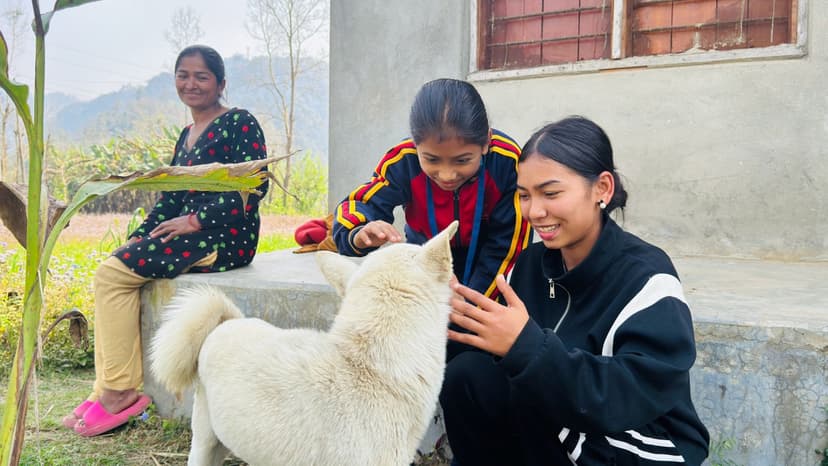
Who We Support
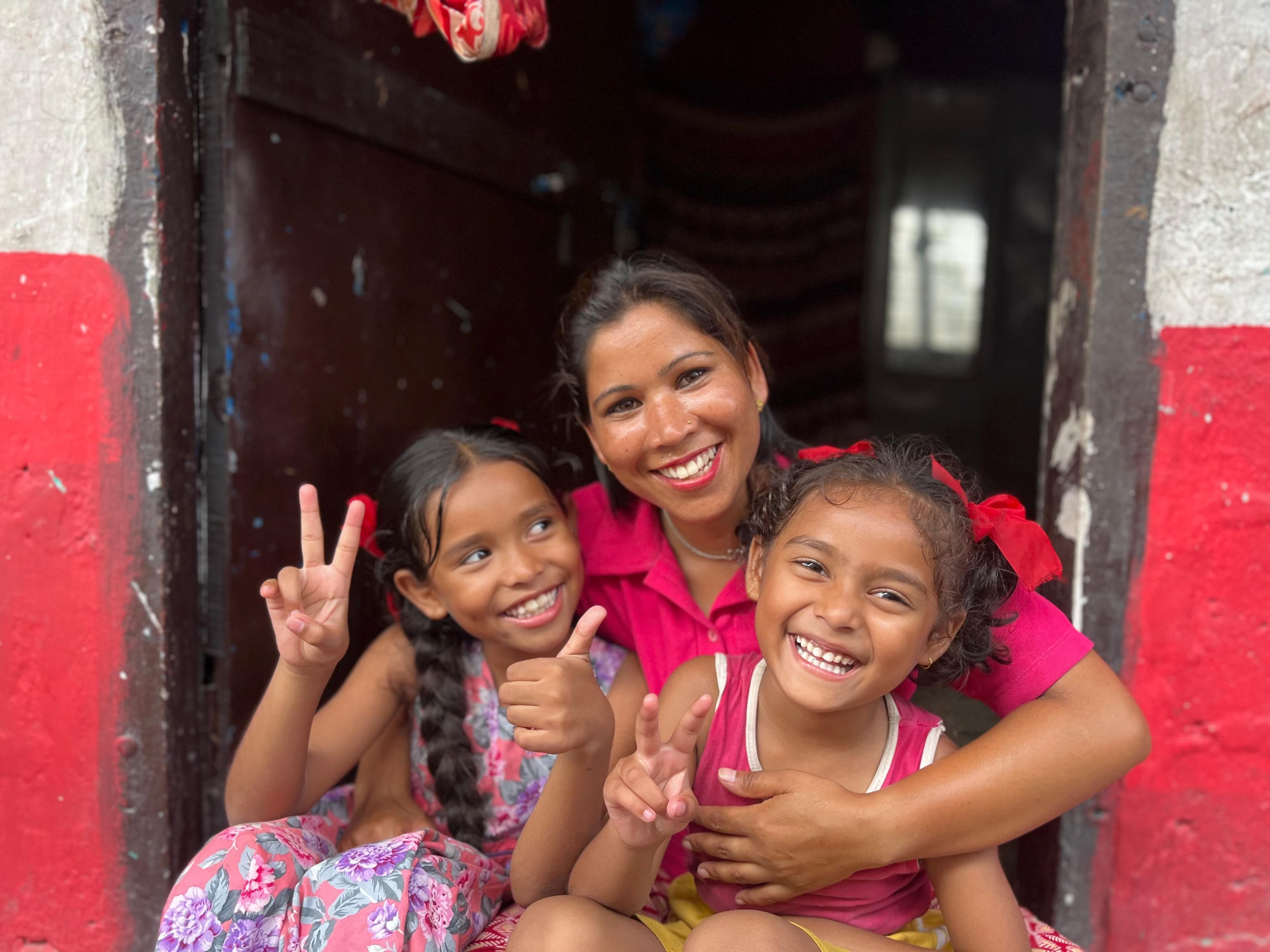
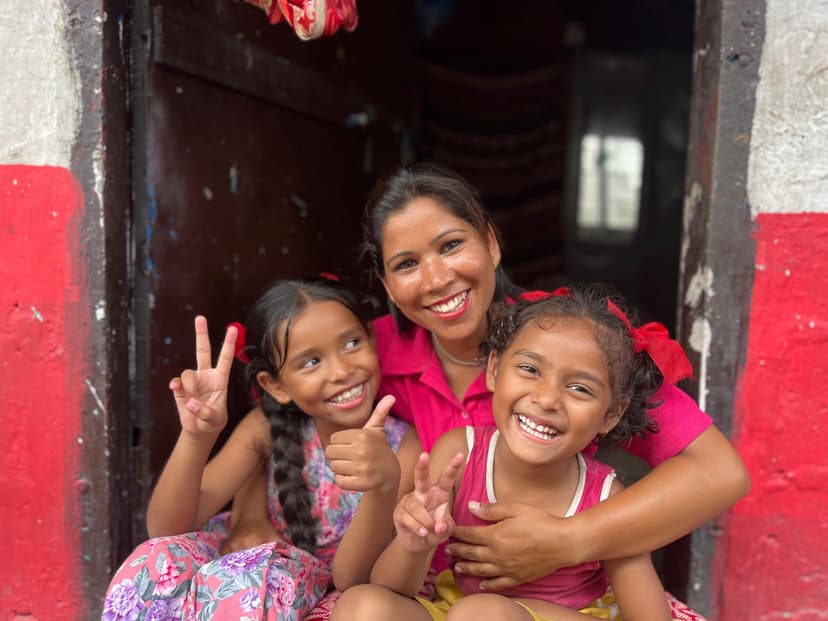
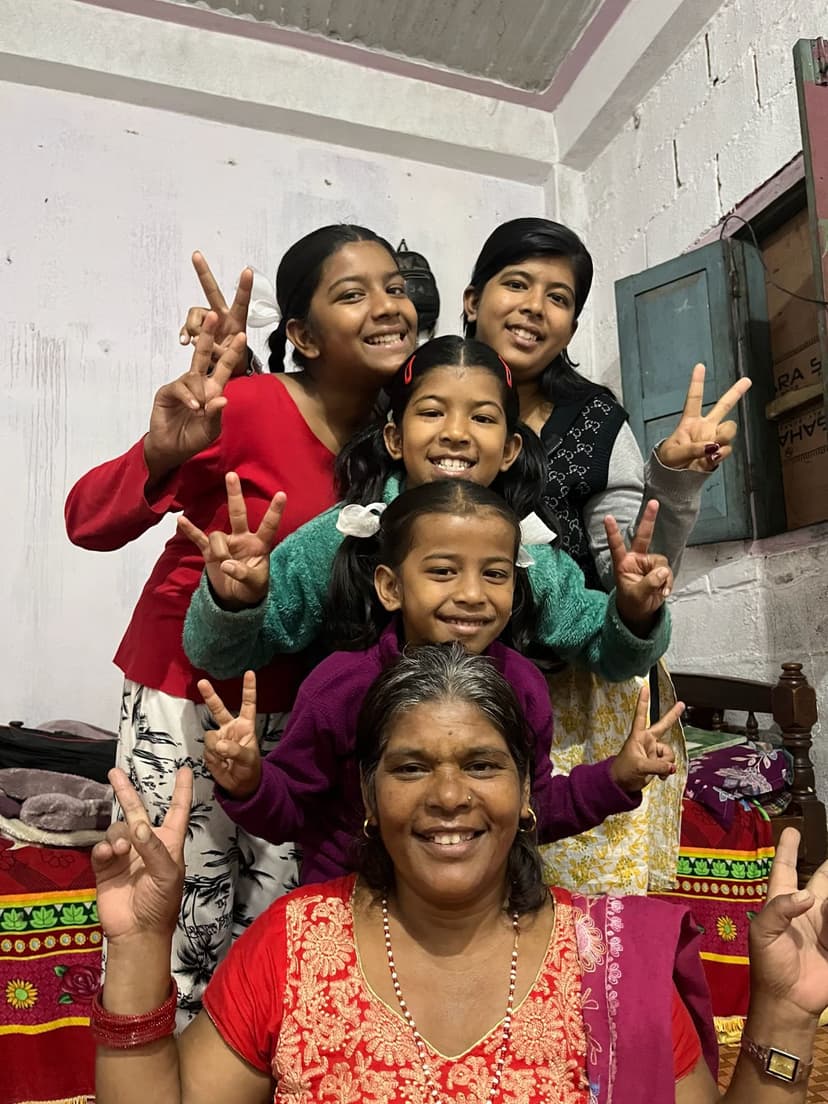
Our project focuses on those who are most in need: the "invisible" and often overlooked members of society. These are families living in extreme poverty, primarily headed by single mothers or grandmothers after the loss or absence of a father.
While some families may include boys, our primary focus remains on protecting and empowering girls, as they are disproportionately at risk of exploitation and abuse.
These families usually have some form of shelter: often fragile huts or makeshift homes but lack the means to provide education, nutritious food, healthcare, hygiene, and proper clothing for their children.
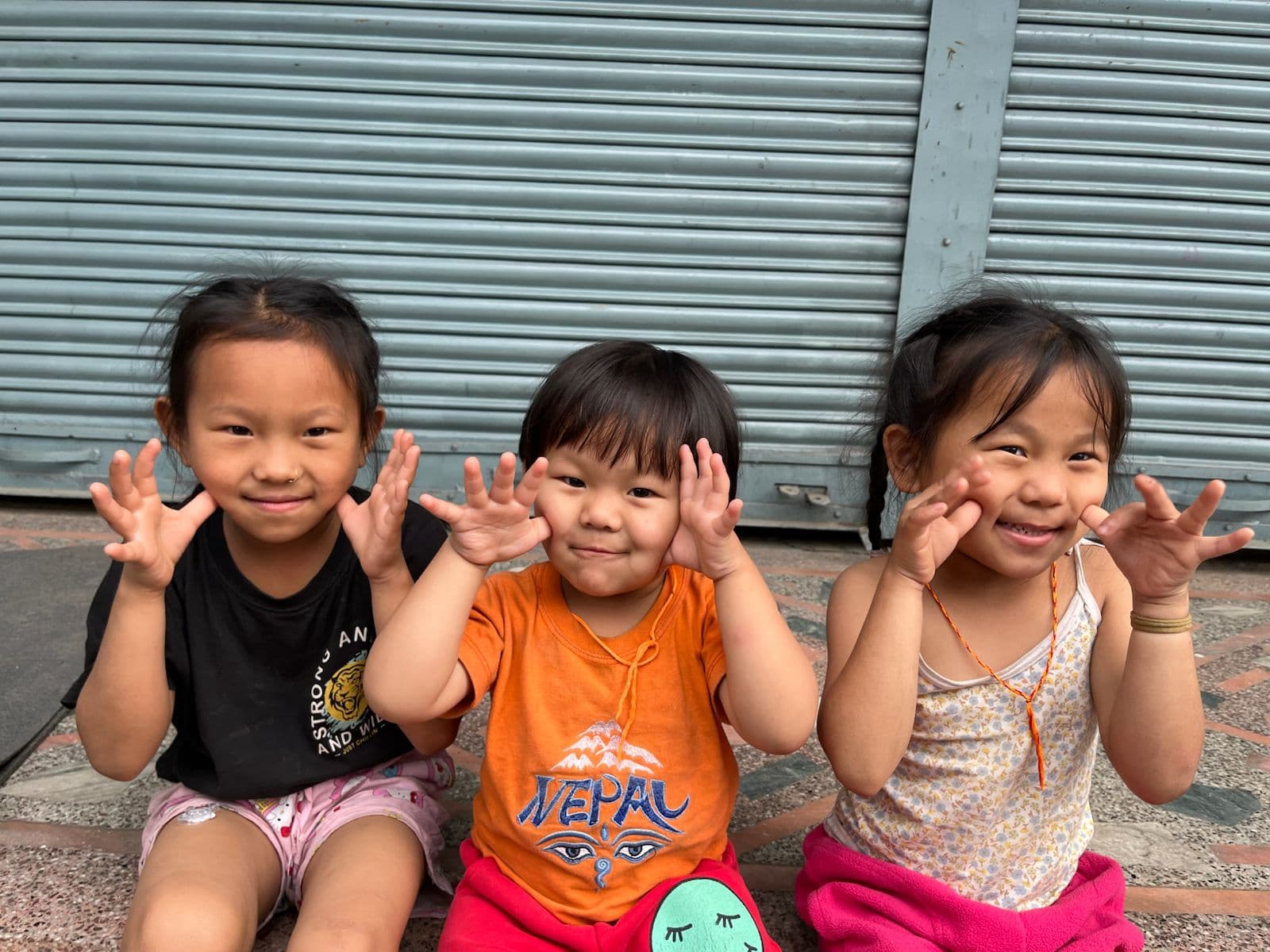
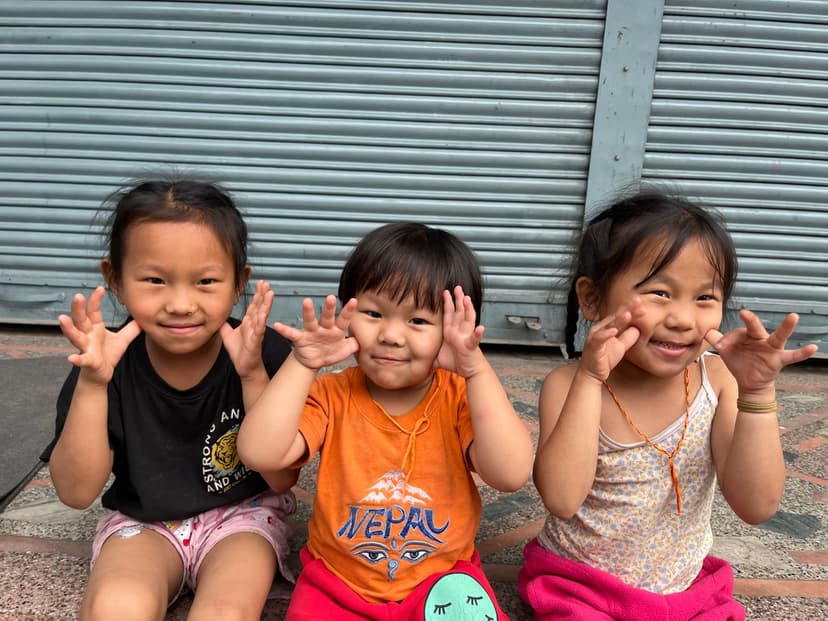
Why Education is Our Priority
We believe that education is the most powerful and sustainable form of support. While material aid can address immediate needs, education empowers individuals for life. By investing in education, we help children break free from the cycle of poverty, build confidence, and create opportunities for a better future. Through our program, we:
- Enroll children in schools.
- Provide uniforms, shoes, books, and stationery.
- Support vocational training opportunities as they grow.
How We Deliver Support
We work directly within communities, reaching families in remote and hard-to-access areas. Our team visits each family regularly, typically once a month, to provide consistent and reliable support. During these visits, we:
- Deliver essential food supplies.
- Provide hygiene items such as soap, shampoo, toothpaste, and sanitary products.
- Offer guidance on nutrition and healthy living.
At the same time, we ensure that families have access to healthcare, including medical treatment and hospitalization when necessary. We provide them with seasonal clothing and emergency assistance whenever needed.
Our Approach
Our approach is practical, respectful, and focused on long-term impact.
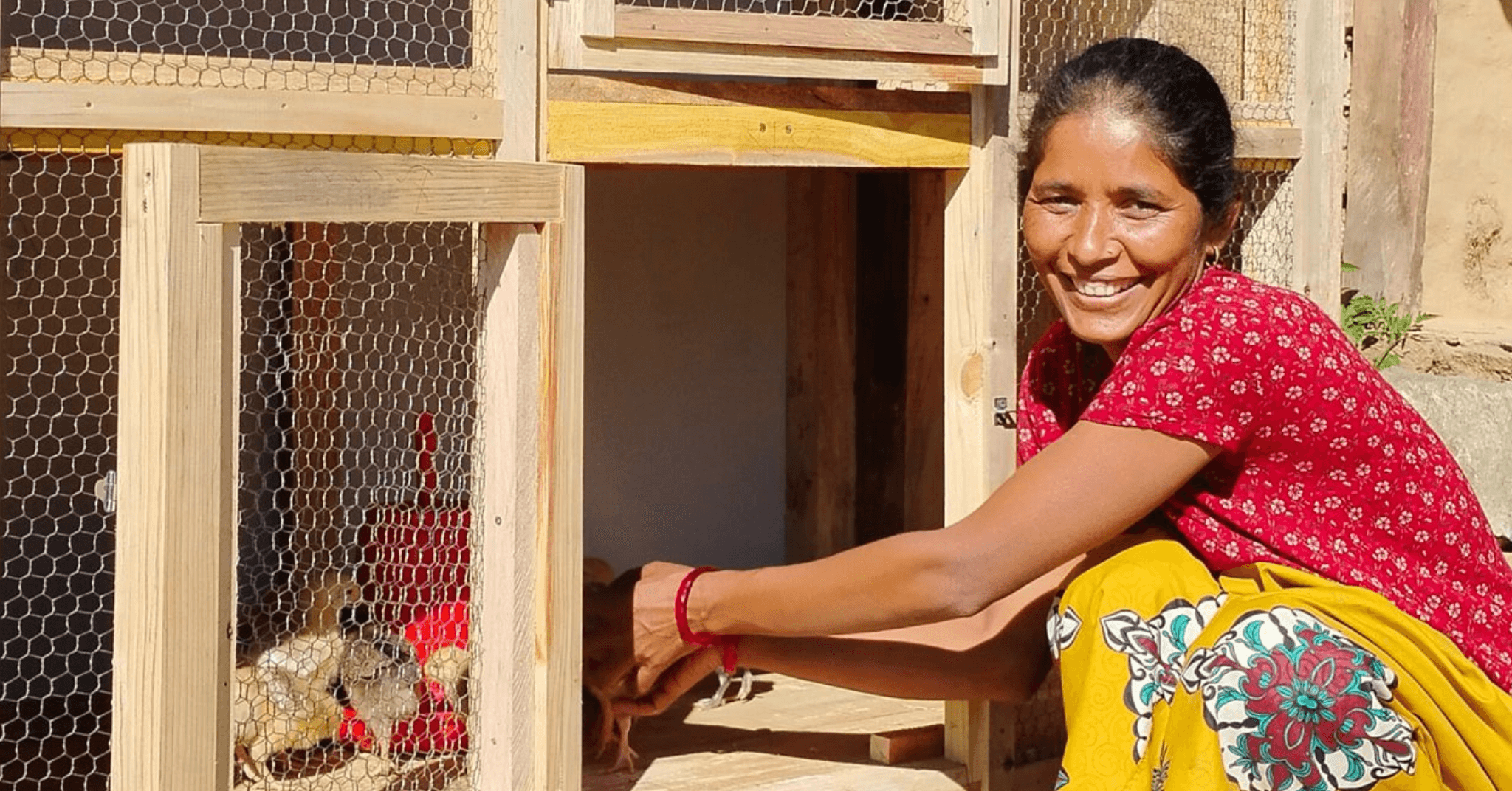
We do not provide direct cash support. Instead, we offer essential goods and services to prevent misuse and reduce dependency. Mothers continue to work and contribute to their family's livelihood, maintaining dignity and independence.
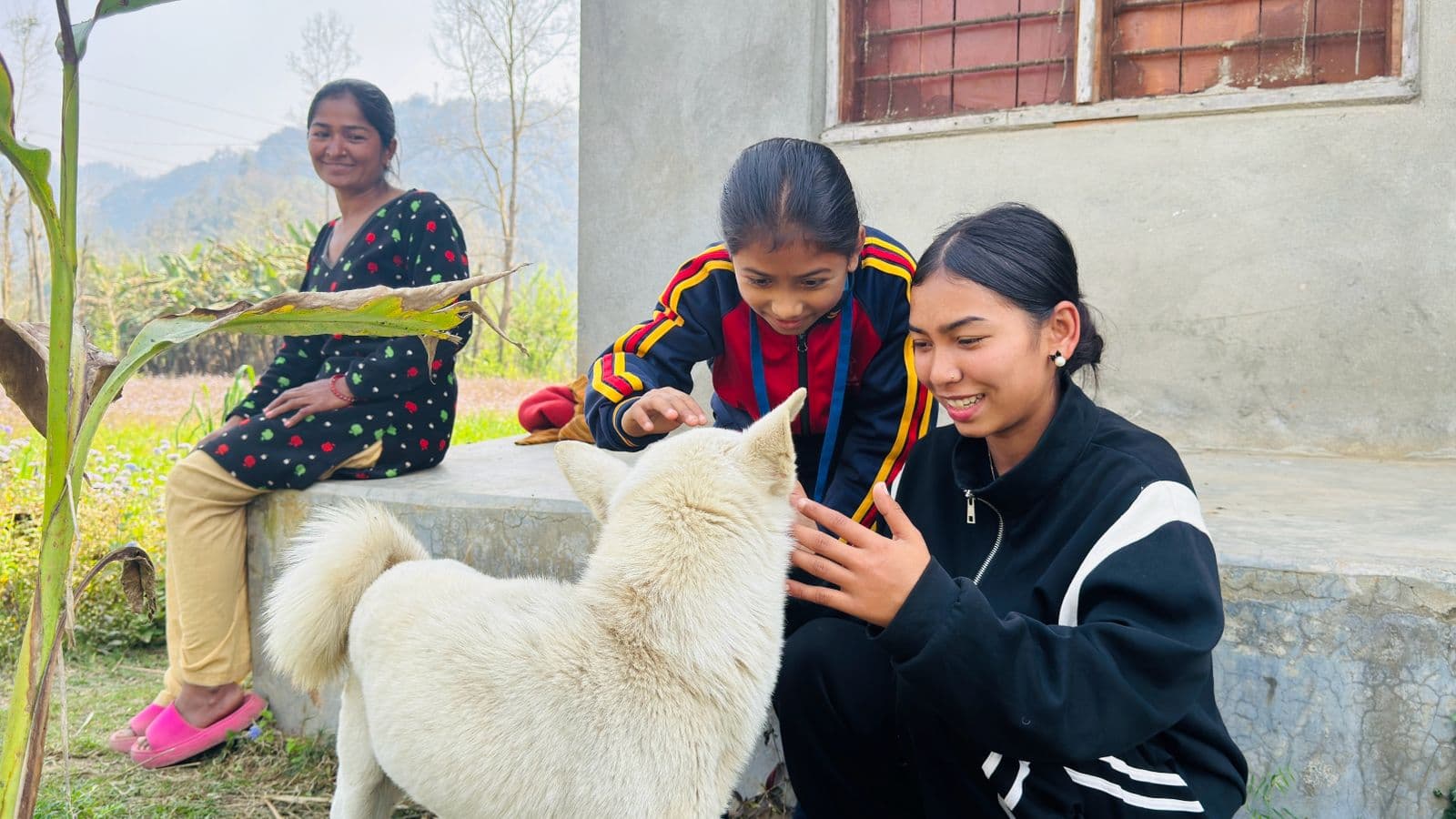
Currently, we support 80 families living in highly vulnerable conditions, reaching a growing number of beneficiaries. The results have been highly encouraging, with visible improvements in health, education, and overall well-being.
Cost Efficiency & Future Vision
One of the strengths of our model is its cost-effectiveness, making our approach both sustainable and scalable.
Our goal is to expand this impactful, low-cost program to reach many more children and families in need across Nepal.
Despite progress in recent years, girls and women in Nepal remain among the most affected by poverty, lack of education, poor health, and exploitation. We are committed to changing this reality — one family at a time.